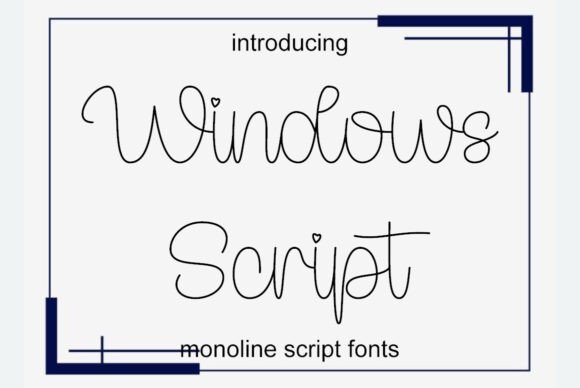
Windows Script: The Handwritten Monoline Font for Modern Brands
When you're designing a project that needs a personal touch, the typeface you choose carries a significant amount of weight. A font like Windows Script offers a specific kind of charm: it’s a chic handwritten monoline script that balances casual elegance with clean readability. For designers, entrepreneurs, and content creators, finding a script font that doesn't look messy or overly formal is a challenge. Windows Script solves this by providing flowing lines and automatic ligatures that mimic the natural rhythm of real handwriting, making it an essential tool for anyone looking to add authenticity to their visual assets.
The Anatomy of a Modern Handwritten Font
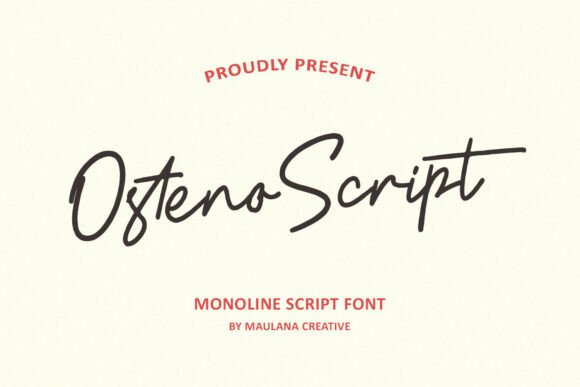
Understanding the technical construction of Windows Script helps in utilizing it effectively. Unlike heavy calligraphic fonts that rely on thick and thin strokes, this typeface uses a monoline structure. This means the stroke width remains relatively consistent from start to finish. This consistency is what gives the font its "chic" and modern look. It avoids the chaotic energy of a rough sketch but steers clear of the stiffness of a ballpoint pen. It sits comfortably in the middle, offering a sophisticated yet approachable vibe.
A standout feature of this script font is its automatic ligatures. In typography, ligatures are characters that are joined together to create a smoother transition between letters. When you type with Windows Script, the software automatically swaps out standard letter combinations for specialized ones that flow naturally. This mimics how a hand moves across paper, lifting and connecting strokes without abrupt stops. For the user, this means you don't have to manually adjust kerning or swap glyphs to get a professional result; the font does the heavy lifting to ensure the text looks like authentic handwritten font work.
Where Windows Script Truly Shines
The versatility of a creative font like this lies in its application. Because it maintains high legibility despite its decorative nature, it fits a wide array of projects. It is not merely a display font for headlines; it can function effectively in specific contexts where warmth and personality are required.
- Packaging and Pantry Labels: If you are a small business owner selling artisanal goods, homemade jams, or candles, packaging design is your first impression. Windows Script works beautifully on product labels because it suggests a handmade quality. It implies care and attention to detail, which can elevate the perceived value of the product inside.
- Branding and Logo Design: For lifestyle brands, boutique agencies, or personal blogs, this font serves as an excellent foundation for logo design. It conveys a brand identity that is friendly, approachable, and stylish. However, it is best used for brand names or taglines rather than body copy to maintain its impact.
- Social Media and Digital Content: In the fast-paced world of social media graphics, stopping the scroll is vital. Using Windows Script for quotes, announcements, or Instagram stories adds a layer of human connection that standard sans serif font choices often lack. It creates a focal point that feels personal and engaging.
- Stickers and Craft Projects: For the hobbyist or crafter, this premium font is perfect for creating planner stickers, wedding invitations, or scrapbooking elements. The clean lines ensure that even when printed at smaller sizes, the text remains legible and charming.
Influence on Brand Perception and Visual Hierarchy
Choosing a typeface is a strategic decision that influences how your audience perceives your brand. Windows Script communicates modernity and approachability. When used correctly, it can soften a corporate brand or add professionalism to a creative one. It plays a crucial role in visual hierarchy; by pairing it with a sturdy serif font or a clean sans serif font, you can guide the viewer's eye. The script font draws attention to key messages or emotional touchpoints, while the secondary font handles the detailed information. This contrast creates a dynamic layout that keeps the reader engaged.
Practical Guidance for Implementation
Integrating a new typeface into your workflow requires more than just installation. To get the most out of Windows Script, you need to evaluate how it fits with your existing design assets and technical requirements.
Testing Font Pairings
One of the most important aspects of modern typography is the "font pairing." A script font rarely works well in isolation for long-form text. Windows Script pairs exceptionally well with geometric sans serifs. The roundness of the script complements the angular structure of fonts like Montserrat or Open Sans. If you are going for a more classic look, a transitional serif font like Georgia can provide a grounded counterpoint to the fluidity of the script. Always test your pairings by placing them side-by-side in a mockup to ensure the x-heights and visual weights are compatible.
Readability and Commercial Use
While Windows Script is designed for legibility, context matters. Avoid using this font for long paragraphs of body text, as the eye tires quickly when reading connected script. It is best reserved for short bursts of text: headers, pull quotes, and labels. Furthermore, if you are using this for client work or merchandise, you must verify the licensing. As a commercial font, it typically requires a license for digital distribution (like on a website) and physical goods (like t-shirts). Always review the End User License Agreement (EULA) to ensure your specific usage is covered, protecting both your business and the font designer's rights.
Ultimately, Windows Script is more than just a set of letters; it is a design tool that injects personality into a project. Whether you are crafting a brand identity from scratch or refreshing your social media strategy, this typeface offers the perfect blend of casual charm and professional polish. By leveraging its natural ligatures and clean monoline structure, you can create designs that resonate with your audience on a human level.